The Cổ Loa Festival, also known as the “Bát Xã Hộ Nhi” Festival or the Bát Xã Loa Thành Festival, is a traditional event recognized as a National Intangible Cultural Heritage under Decision No. 603/QĐ-BVHTTDL dated February 3, 2021, issued by the Ministry of Culture, Sports and Tourism. With its representative and distinctive values, the festival reflects the cultural identity, creativity, and diversity of the eight village communities worshipping the Ancestral Saint—Emperor An Dương—expressed through ritual practices, beliefs, ceremonial rites, and festive activities.
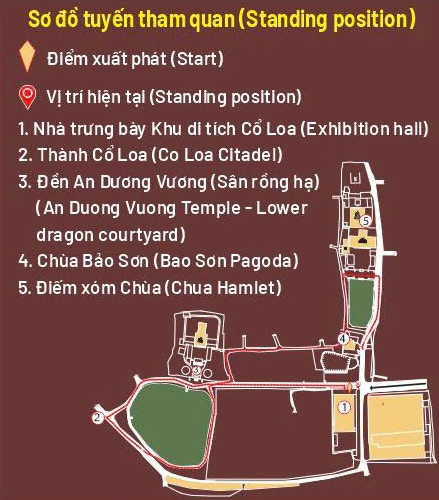
The central space of the Cổ Loa Festival is the Inner Citadel (Thành Nội) of Cổ Loa Commune, which includes a complex of architectural relics such as temples, communal houses, shrines, and guard posts dedicated to Emperor An Dương Vương, Princess Mỵ Châu, the Golden Turtle Spirit (Kim Quy), General Cao Lỗ, and related historical figures. Among these, the “core” ritual space of the festival is the Thượng Temple (dedicated to the Ancestral Saint – Emperor An Dương and those who contributed to the nation) located in Cổ Loa Commune.
The community of the eight villages worshipping the Ancestral Saint Emperor An Dương (today comprising 8 villages belonging to 3 communes: Cổ Loa, Uy Nỗ, and Xuân Canh, including Cổ Loa, Văn Thượng, Mạch Tràng, Sằn Giã, Ngoại Sát, Đài Bi, Cầu Cả, and Thư Cưu) are the cultural bearers and creators who practice the Cổ Loa Festival. Among them, the Cổ Loa village community (12 hamlets: Nhồi Trên, Nhồi Dưới, Lan Trì, Gà, Dõng, Vang, Hương, Thượng, Bãi, Chợ, Chùa, Mít) holds the primary role in managing rituals and conducting ceremonial procedures.
The festival is held annually on the 5th–6th days of the first lunar month (with the main day on the 6th). The Cổ Loa Festival, organized on a large scale, involves close coordination among city authorities, the Thăng Long–Hà Nội Heritage Conservation Center, the Cổ Loa Relic Management Board, the Đông Anh District Party Committee and People’s Committee, the Cổ Loa Commune authorities, local administrative bodies, and communities of participating villages. It has become one of the major festivals of the capital and the nation.
The Cổ Loa Festival is a major regional celebration involving the eight villages (the Eight Ancient Villages sharing the belief in worshipping An Dương Vương). Preparations for the festival are meticulous, carried out months in advance—often starting from the 11th lunar month, or at the latest by the 12th month of the previous year. Preparatory work includes:
Electing Ritual Officers (Quan đám), who are responsible for selecting two officers to maintain the cleanliness and incense offerings at Thượng Temple and Mỵ Châu Shrine.
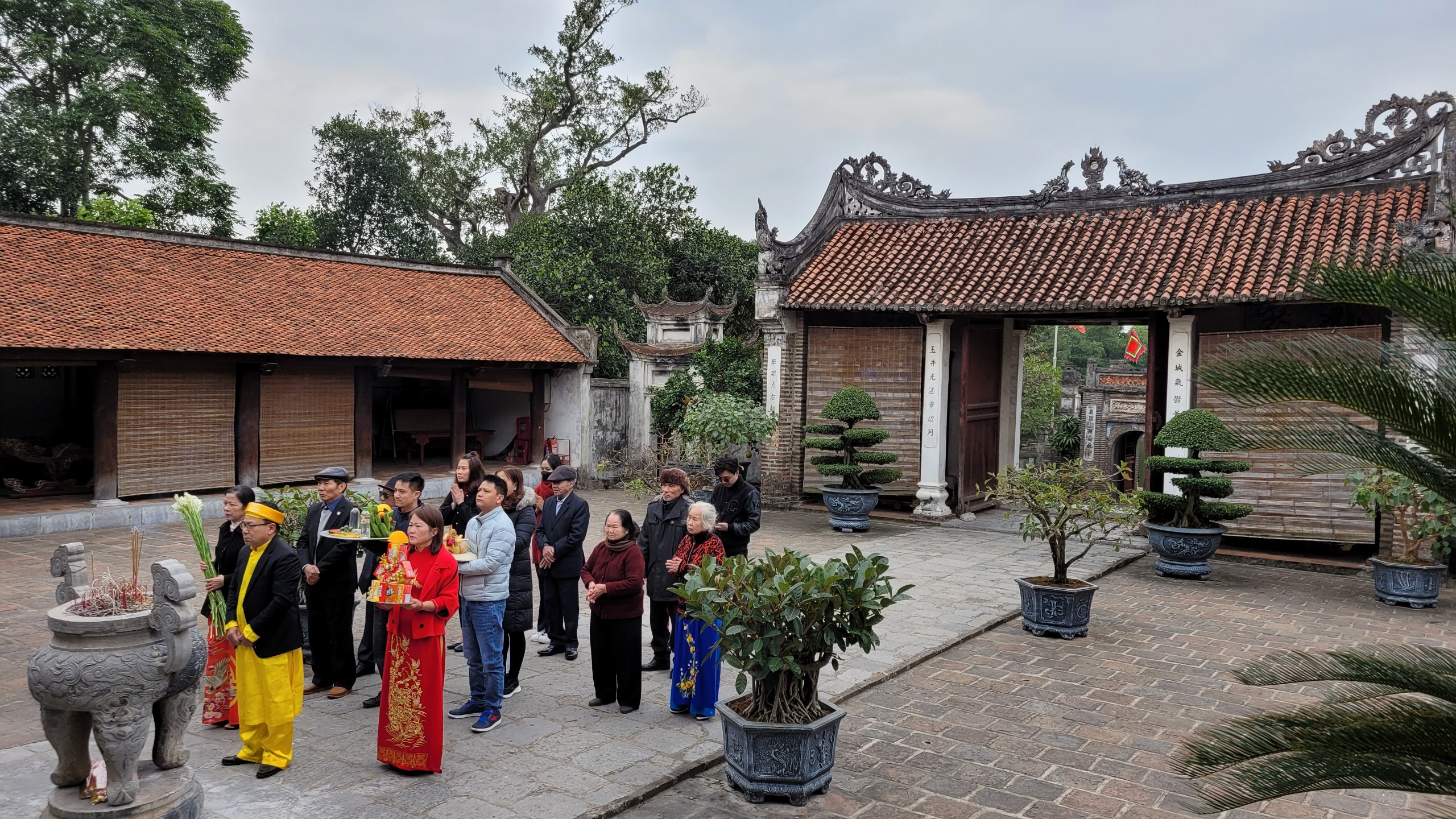 Ritual Officers performing the registration ceremony
Meeting of the Eight-Village Council: Held in early lunar December, after the Ritual Officers have been elected, to assign responsibilities for organizing the festival based on strict village regulations such as ritual rehearsals, assigning participants, preparing palanquin processions, preparing offerings, performing purification rites, and cleaning temples and communal houses.
Division of responsibilities: Cổ Loa village (as the lead organizer) is in charge of directing the festival, composing the ceremonial oration, serving as the chief officiant, and appointing the Eastern Reader; Văn Thượng reads the ceremonial text; Mạch Tràng appoints the Western Reader; Ngoại Sát inspects offerings from all participating villages; Cầu Cả carries the ceremonial text; Sằn Giã, Đài Bi, and Thư Cưu offer wine and incense. According to old customs, Cổ Loa had four Festival Wardens and eight Ritual Assistants who oversaw the arrangements in Mỵ Châu Shrine, Ngự Triều Di Quy Communal House, and Thượng Temple, managing ceremonial objects (these assistants were traditionally required to be 50 years old or older). Each unit appointed one person to the Palanquin Coordination Committee (Bài Sáp).
Ritual rehearsals and palanquin practice: Conducted over 4 to 5 days in late lunar December.
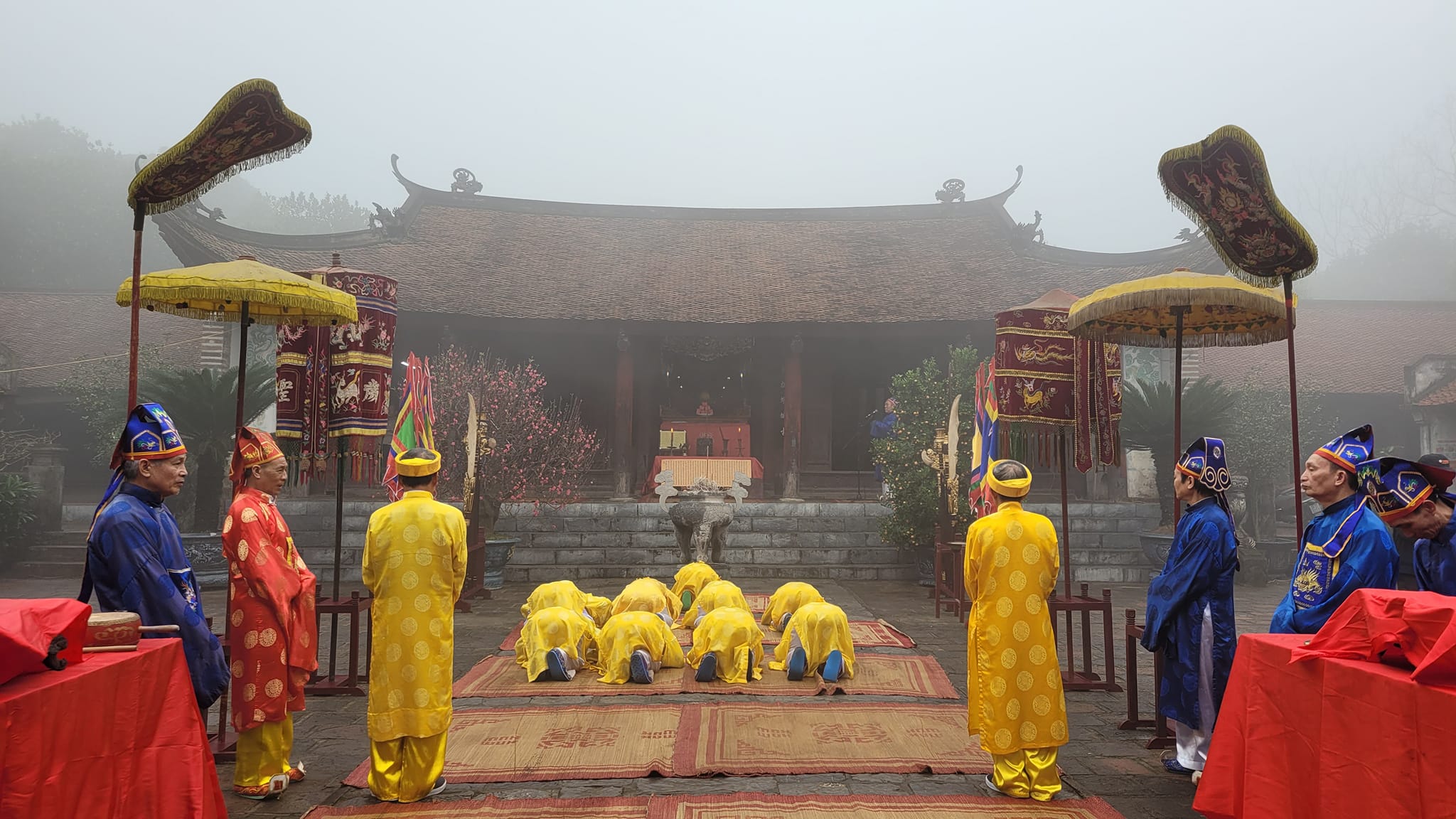 Festival officers rehearsing the rituals
Practicing the palanquin procession
Reading of the “Mục lục” (Ceremonial Ode): Formerly written and read by the highest-ranking elder of Cổ Loa village on the evening of the 6th day of the first lunar month. Since 1990, it has been read by the Ritual Officer at Thượng Temple on Lunar New Year’s Eve. The content praises the merits of the Saint (An Dương Vương) and prays for peace and prosperity for the villagers.
Ritual and reading method: Three main readers and three supporting readers (who repeat each sentence immediately after the main readers), alternating by sections. Readers kneel facing the altar, while listeners sit on both sides. The “Mục lục” is a rhymed poem recounting the deeds of the king in nation-building. It is read once a year to remind the community of the history of Cổ Loa and the Eight Villages.
On the 4th day of the first lunar month: The Eight Villages erect the traditional crossbow competition platform, set up the wrestling ring, prepare the human chess display in front of Ngự Triều Di Quy Communal House, and other folk games such as the “đu tiên” swing.
On the 5th day (Opening Ceremonies): The Eight Villages perform rituals, festivals, games, and artistic performances. Ritual offerings take place throughout the day, consisting of four ceremonial cycles: in the morning the first cycle is led by Cổ Loa, followed by the Eight Villages; in the afternoon the order is reversed. Preparations for the main festival day are completed.
There are two segments on the main festival day, the 6th day of the first lunar month: Rituals and Festivities.
Ritual segment: According to legend, when Emperor An Dương Vương chose Cổ Loa as the capital, the villagers of Quậy gave land to the king. Thus, although Quậy is not one of the Eight Villages, as the original inhabitants of Cổ Loa, they are invited to attend the festival and perform the Secret Petition on the upper ceremonial mat. A group of 15 elders from Quậy arrives at Cầu Cung, where 15 elders from Cổ Loa—dressed in ceremonial robes with a drum, a gong, a yellow parasol, ceremonial poles, and attendants—welcome and escort the Quậy procession to Thượng Temple to perform the rites.
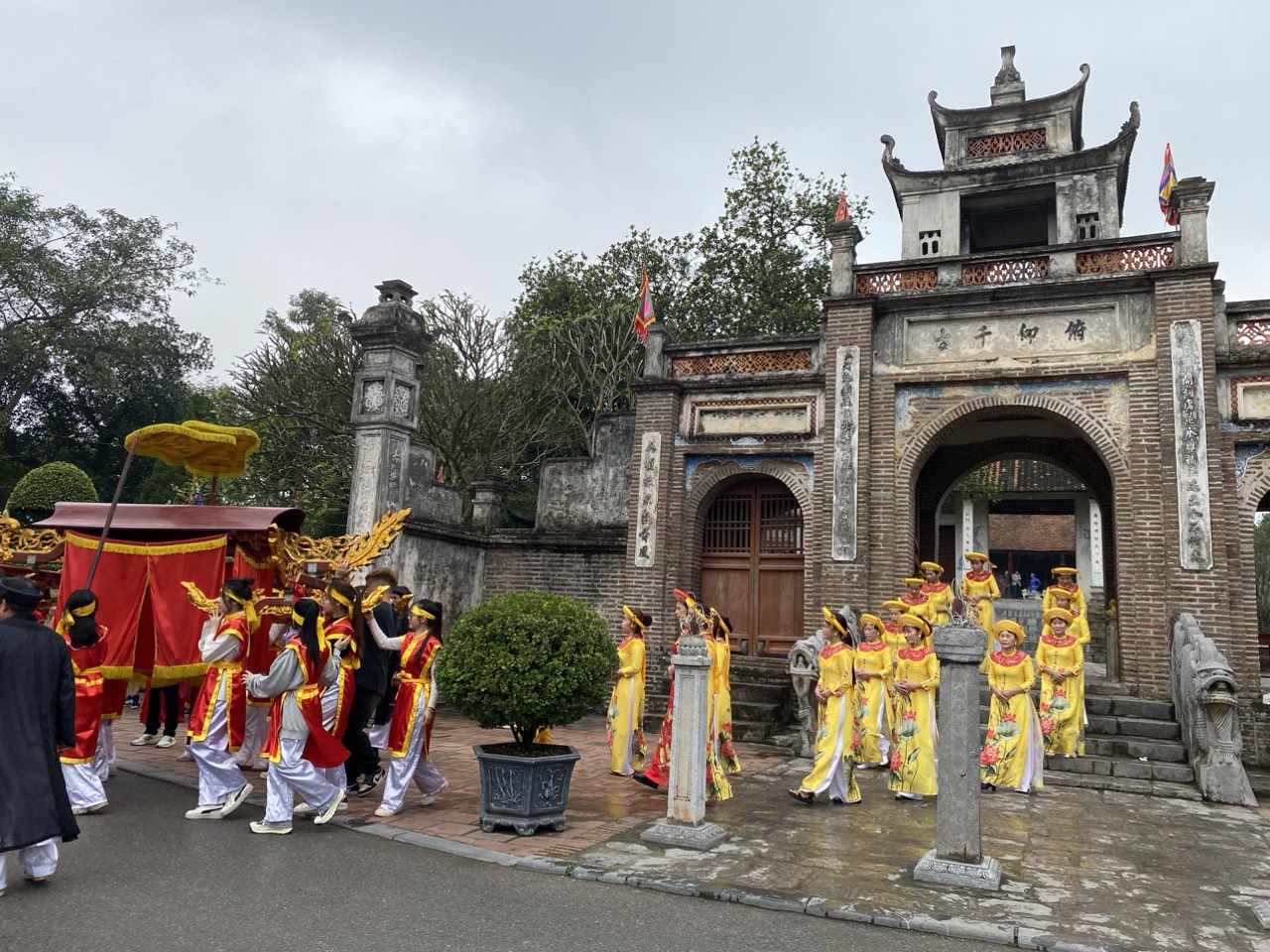
From early morning, villages bring their palanquins to Cổ Loa from two directions. The western side (to the right of Thượng Temple) gathers at the Outer Citadel and includes Mạch Tràng, Sằn Giã, Đài Bi, and Cầu Cả. The eastern side (to the left) gathers at Sa Market and includes Văn Thượng, Ngoại Sát, and Thư Cưu. At 7:00 a.m., following the drum signal, the two processions move toward Thượng Temple and merge at the western lake, following the order: Văn Thượng – Mạch Tràng – Sằn Giã – Ngoại Sát – Đài Bi – Cầu Cả – Thư Cưu. They enter the Dragon Courtyard (Sân Rồng Thượng) and place their palanquins in the designated order: Eastern side—Văn Thượng, Sằn Giã, Đài Bi, Thư Cưu; Western side—Cổ Loa, Mạch Tràng, Ngoại Sát, Cầu Cả. After the drum signal, Quậy village presents offerings first, followed by the Eight Villages.
The two chief ritual officers—Drum Master and Gong Master—strike three rounds of nine beats each to officially open the festival. The Quậy representative reads the congratulatory message and Secret Petition.
Next is the Council Ceremony at Cổ Loa, lasting over two hours with 67 ritual proclamations. This is the most important ritual of the festival, performed by elders to welcome and invite the deity to receive the offerings, express gratitude, and pray for peace, happiness, and national prosperity.
After the Council Ceremony is the grand Eight-Village Palanquin Procession. Departing from Thượng Temple, the Cổ Loa palanquin leads, followed by the palanquins of Văn Thượng, Mạch Tràng, Sằn Giã, Ngoại Sát, Đài Bi, Cầu Cả, and Thư Cưu. The procession moves from the Upper Dragon Courtyard to the Lower Dragon Courtyard, exits the temple gate, turns right toward the west, then circles around Ngọc Well, heading east. At the crossroads, the Cổ Loa palanquin continues straight to Ngự Triều Di Quy Communal House. In the afternoon, Cổ Loa performs rituals there before returning the palanquin to Thượng Temple. The other villages proceed to their own communal houses for local festivals lasting from the 8th to the 16th of the first lunar month.
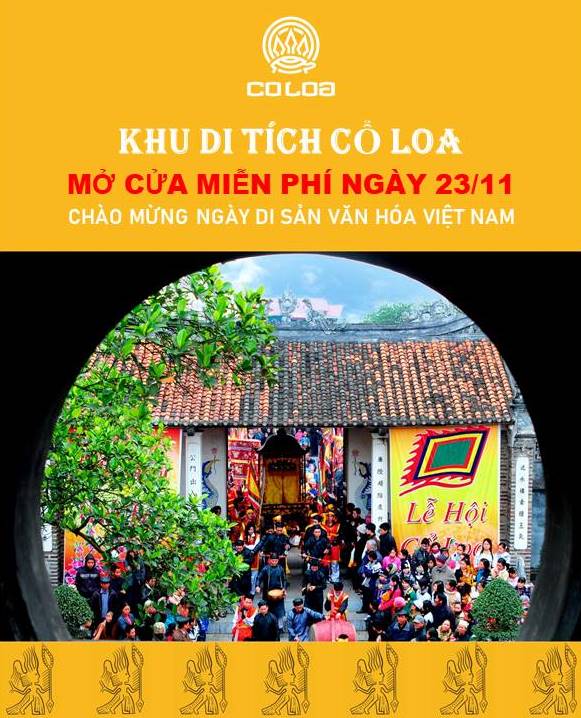
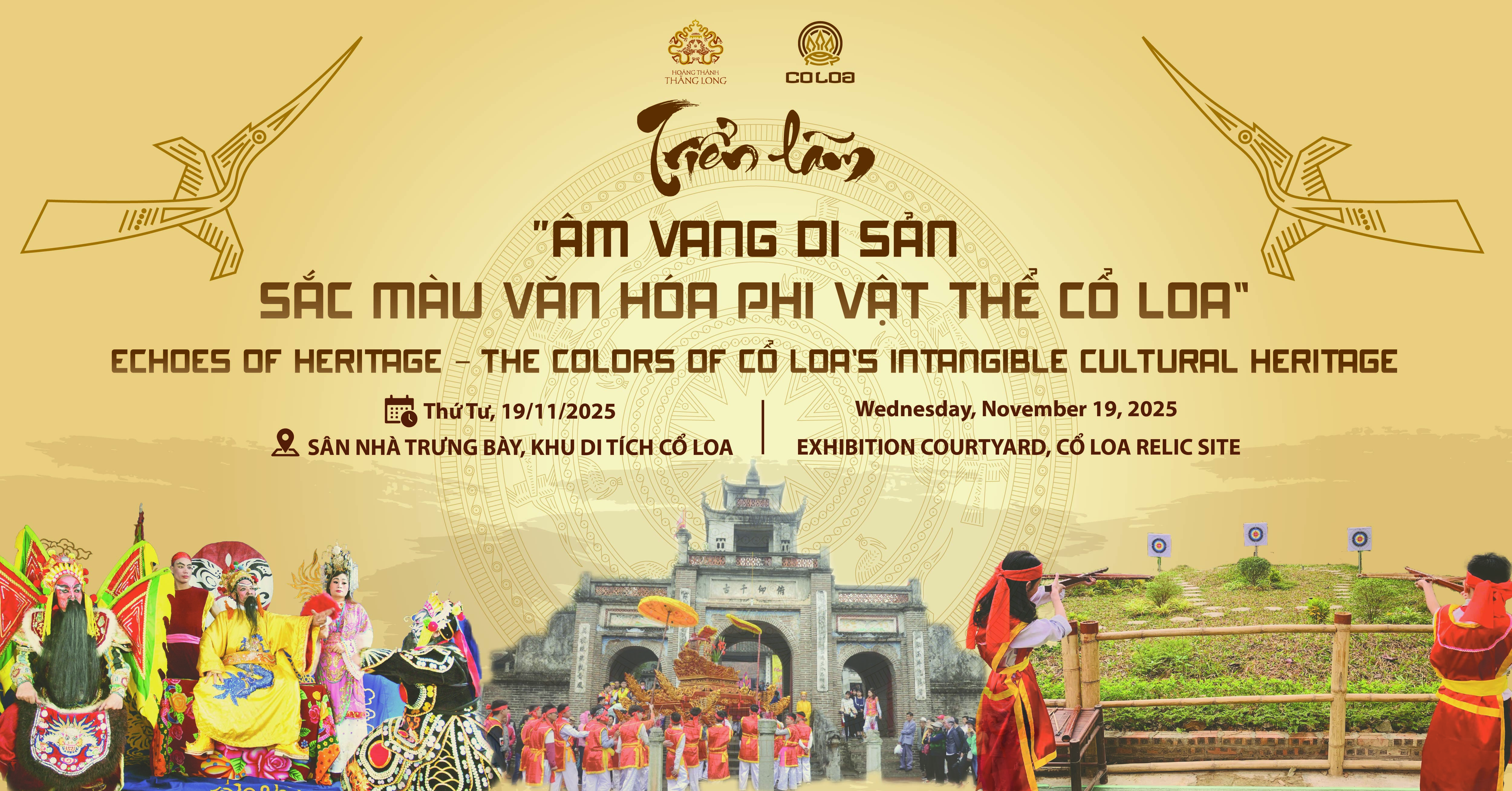
Festive segment: The Cổ Loa Festival features a rich variety of traditional folk games and performances such as crossbow shooting, “đu tiên” swing, wrestling, human chess, tuồng (classical opera), and water puppetry, attracting participants of all ages.
The Cổ Loa Festival contains valuable folk knowledge. Its rituals, processions, taboos, games, performances, and culinary traditions form a cultural treasure reflecting the intellectual heritage of the people from ancient times to the present. The festival also educates the younger generation about gratitude toward Emperor An Dương Vương, who founded the Âu Lạc Kingdom, built the citadel, created the multi-shot crossbow, defended the nation, and developed wet-rice agriculture—instilling patriotism and vigilance against threats to national independence.
In the past, the Cổ Loa Festival was held every 3 to 5 years, lasting 12 days from the 6th to the 18th of the first lunar month; during prosperous years, it was celebrated on a grand scale. Today, the festival is organized annually, recreating traditional rituals and folk games. We invite residents and visitors to attend the Cổ Loa Festival – Spring of the Year Ất Tỵ 2025 to pray for health and peace.