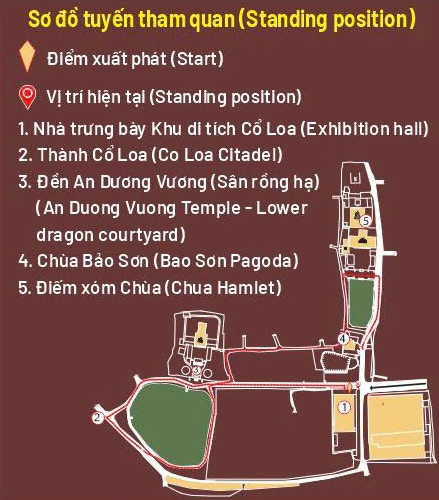
According to ancient Chinese and Vietnamese historical records such as Giao Châu Ngoại Vực Ký, Đại Việt Sử Ký Toàn Thư, and Khâm Định Việt Sử Thông Giám Cương Mục, it is written that in the 3rd–2nd centuries BCE, after the victorious resistance against the Qin invaders in 208 BCE, An Dương Vương succeeded Hùng Vương and moved the political center from Việt Trì to Cổ Loa, establishing the state of Âu Lạc, building defensive fortifications, and developing the country.
Legend has it that Cổ Loa Citadel was built in a spiral shape with nine rings, nine dặm in circumference, densely populated. A summarized account is as follows: During the time of the Hùng Kings, the kingdom of Văn Lang consisted of 15 tribes with its capital in Phong Châu (present-day Bạch Hạc – Việt Trì, Phú Thọ). Thục Phán (later King An Dương Vương), originally a leader of the Tây Âu people, united the Tây Âu and Lạc Việt tribes and organized the resistance against the Qin. He was chosen by the ancient Vietnamese tribal leaders as the supreme commander. In 208 BCE, after defeating the Qin, Thục Phán was ceded the throne by Hùng Duệ Vương, the 18th Hùng King. He ascended the throne, proclaimed himself king, unified the Tây Âu and Lạc Việt tribes, renamed the country Âu Lạc, and continued the legacy of the Hùng Kings. An Dương Vương decided to move the country’s central seat from the old Hùng King land to Cổ Loa, a highland area in the Red River delta - vast, fertile, populous, with convenient land and water transportation. The area was surrounded by major waterways connected to the Red River and Cầu River, including the Hoàng Giang River - today still visible as sections of sông Thiếp or Ngũ Huyện Khê (a river flowing through five districts: Yên Lãng, Kim Anh, Đông Ngàn, Yên Phong, Tiên Du).
From these waterways, one could travel north or northwest, or downstream toward the northeast, southeast, and coastal areas—ideal for establishing a capital, building fortresses, and defending the realm.
An Dương Vương, leading the army and people of Âu Lạc, constructed in a short time a monumental and unique citadel. He fully utilized natural geographic and topographic advantages to create a stronghold with high walls and deep moats, providing favorable conditions for both defense and offense: interconnected water–land routes, combined inner–outer defenses, enabling quick movement for the home forces while obstructing the invaders. With unity between the king and people, and the legendary “Magic Crossbow”, An Dương Vương repeatedly defeated the invasions of Triệu Đà.
In 206 BCE, after the fall of the Qin, Triệu Đà of Nam Hải attacked and seized Tượng and Quế Lâm, establishing the kingdom of Nam Việt with its capital at Phiên Ngung. He continually sought to expand southward and dominate Âu Lạc.
Although the Âu Lạc state did not last long, its historical mark was profound, remembered by local people through heroic and tragic legends. The survival of Cổ Loa Citadel for over two thousand years is vivid evidence of this era-testifying to An Dương Vương’s brilliant military talents, the resilience of the early Vietnamese people, and their indomitable spirit.
The legend of An Dương Vương building Cổ Loa Citadel is among the most frequently retold in Vietnam because it is tied to the earliest era of national foundation and defense, ancient Vietnamese culture, and collective memory of origins. The Cổ Loa Festival is dedicated to this principal deity-the king who founded Âu Lạc and built the ancient capital of Cổ Loa, now recognized as a Special National Relic Site. The entire mythical story of building the capital, founding the state, and defending the country lives on in the people’s memory with deep gratitude and admiration.
Therefore, in all villages around the Cổ Loa citadel area, temples, communal houses, and shrines worship the King and his loyal subjects. The first among these are the villages of the “Bát xã Loa Thành”: Cổ Loa, Văn Thượng, Mạch Tràng, Sằn Giã, Ngoại Sát, Đài Bi, Cầu Cả, and Thư Cưu—of which the main temple to An Dương Vương in Cổ Loa is considered the “Tiên Từ Đệ Nhất”.
The Ngọc phả cổ lục stored at Đền Thượng records: “the deity was born on the 11th day of the Eighth lunar month, passed away on the 7th day of the Third month, and receives the Sêu ceremony on the 13th day of the Eighth month.”
Cổ Loa Temple preserves 21 imperial decrees from the Lê and Nguyễn dynasties honoring An Dương Vương as a “hero of exceptional talent” who founded the nation, and granting the people of Cổ Loa the privilege of worshiping him perpetually at the temple (today within the Cổ Loa Relic Site, Cổ Loa Commune, Đông Anh District, Hanoi).
Since the Lê era, the people of Cổ Loa were granted “tạo lệ” status—allowed to hold rituals for An Dương Vương, maintain customs, exempt from certain taxes and corvée labor, and assigned guardians for temple ceremonies.
Legend says the 6th day of the first lunar month was the day Thục Phán entered the palace; the 9th was the coronation day of the former king (An Dương Vương), who then feasted all soldiers. To commemorate the king’s merit, the people of Cổ Loa and surrounding villages chose the 6th day of the first lunar month as the festival day. For Cổ Loa residents, this is sacred—“One may forsake children and grandchildren in death, but never forsake the 6th day of the first lunar month in life.”
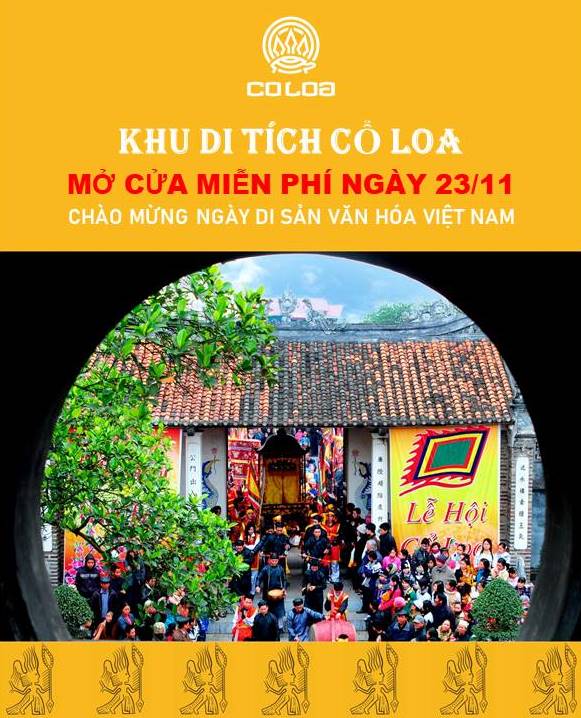
In earlier times, the Cổ Loa Festival was held every three to five years for twelve days—from the 6th to the 18th of the first lunar month. In prosperous years, the Bát xã hộ nhi organized grand celebrations, with Cổ Loa as the leading village. After 1952, the festival was no longer organized by the eight villages but maintained solely by Cổ Loa as a smaller village festival. In 1990, the participation of the Bát xã Loa Thành was restored, and the festival has since been held annually. Today, the festival is celebrated for two days (the 5th–6th of the first lunar month), with the 6th as the main day. It is organized on a large scale, coordinated closely by Hanoi municipal authorities, the Thăng Long – Hanoi Heritage Conservation Center, the Cổ Loa Relic Site Management Board, local governments, and communities practicing the festival. It has become one of the major festivals of the nation.
After the 6th, the remaining seven villages of the “Bát xã hộ nhi” celebrate festivals in their own villages until the 18th of the first lunar month, marking the end of the Cổ Loa Festival: 8th: Văn Thượng Village; 9th: Ngoại Sát and Đài Bi Villages; 10th: Mạch Tràng Village; 11th: Cầu Cả Village; 13th: Sằn Giã Village; 16th: Thư Cưu Village.
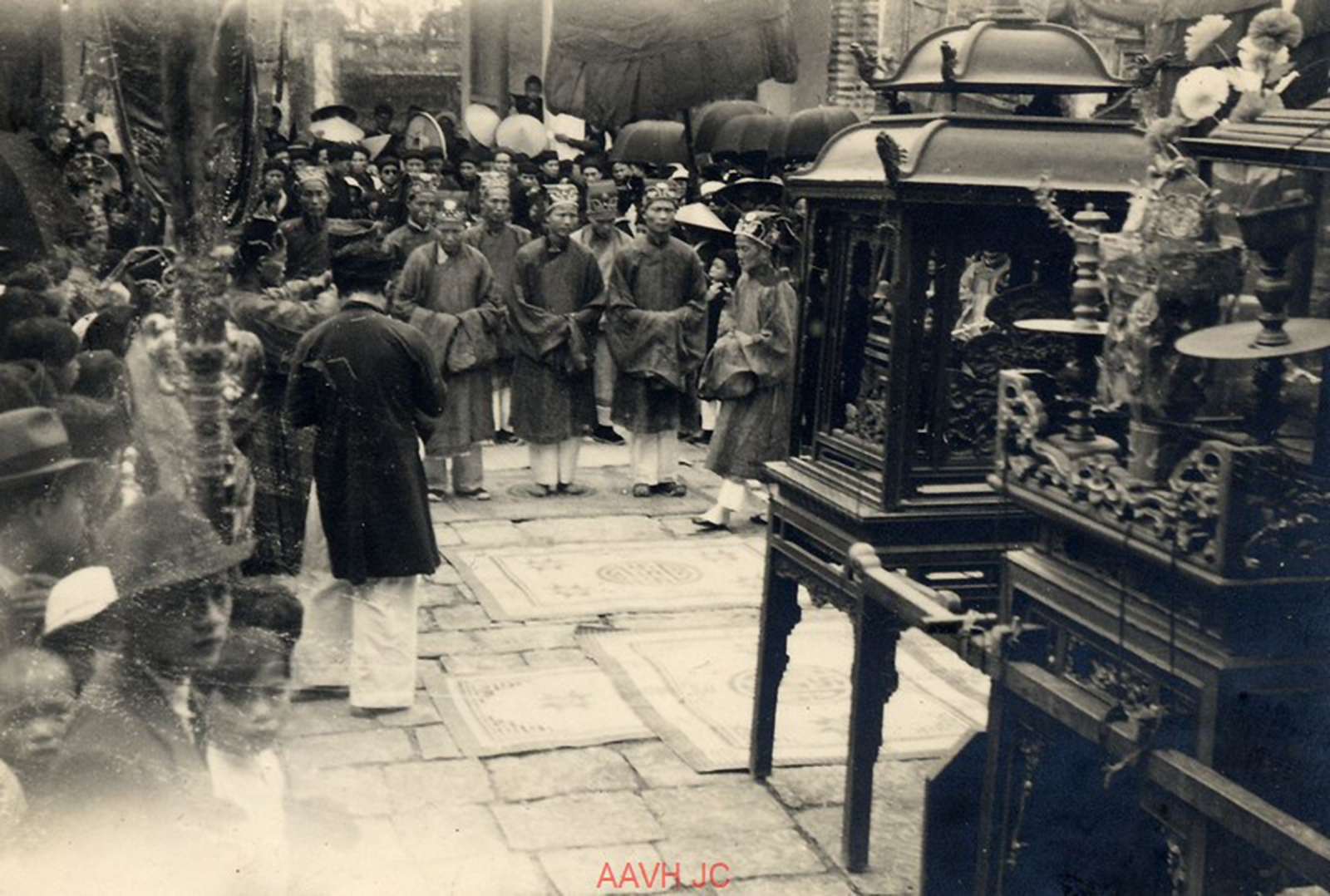
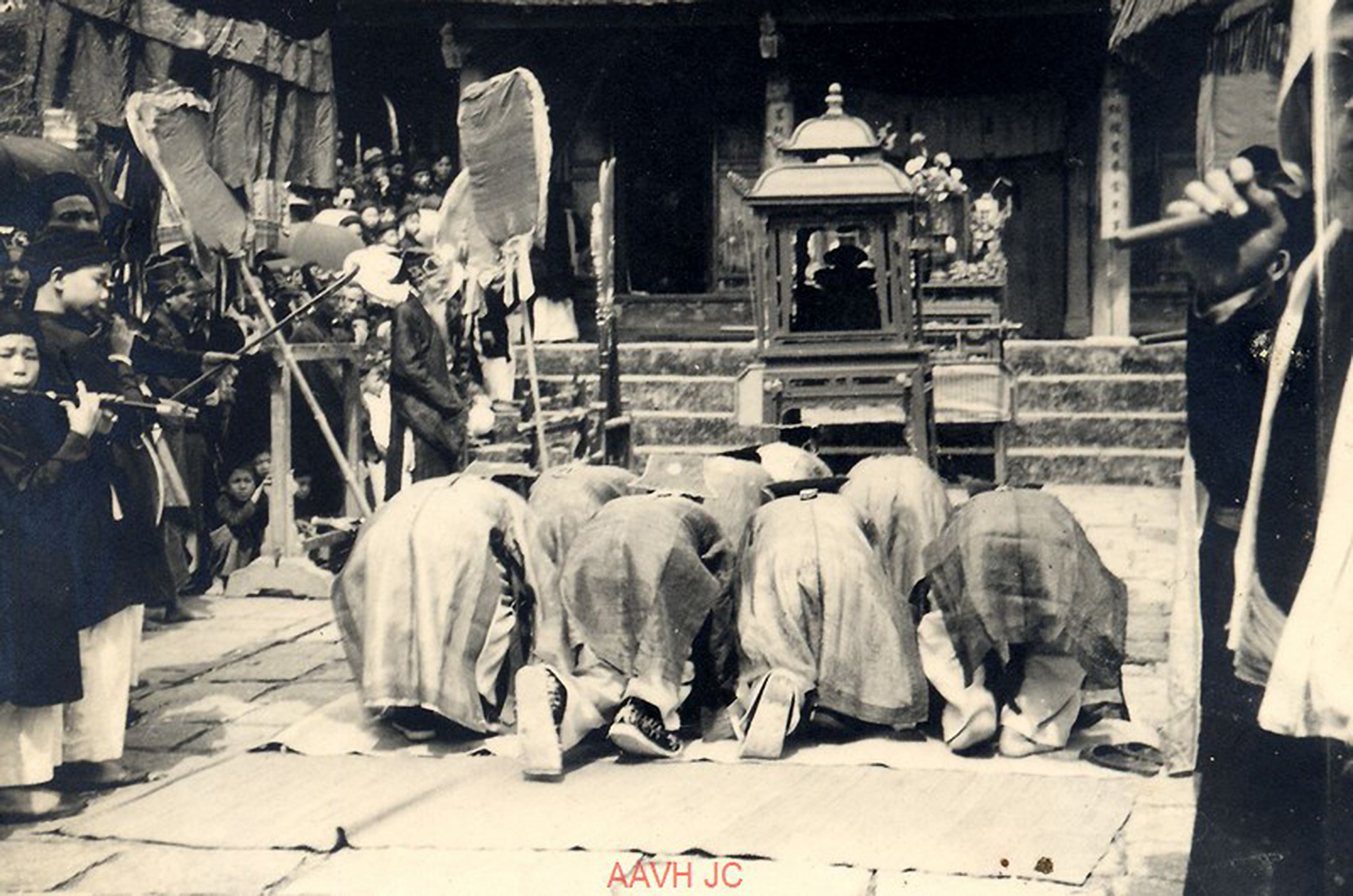 Cổ Loa Festival, 1940
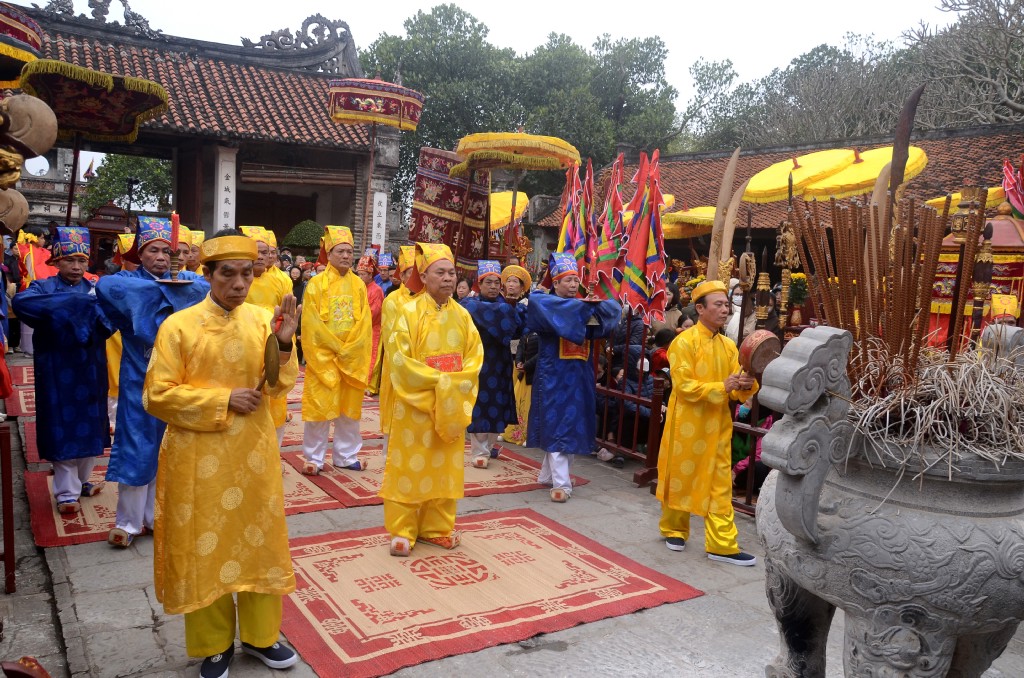 Cổ Loa Festival today
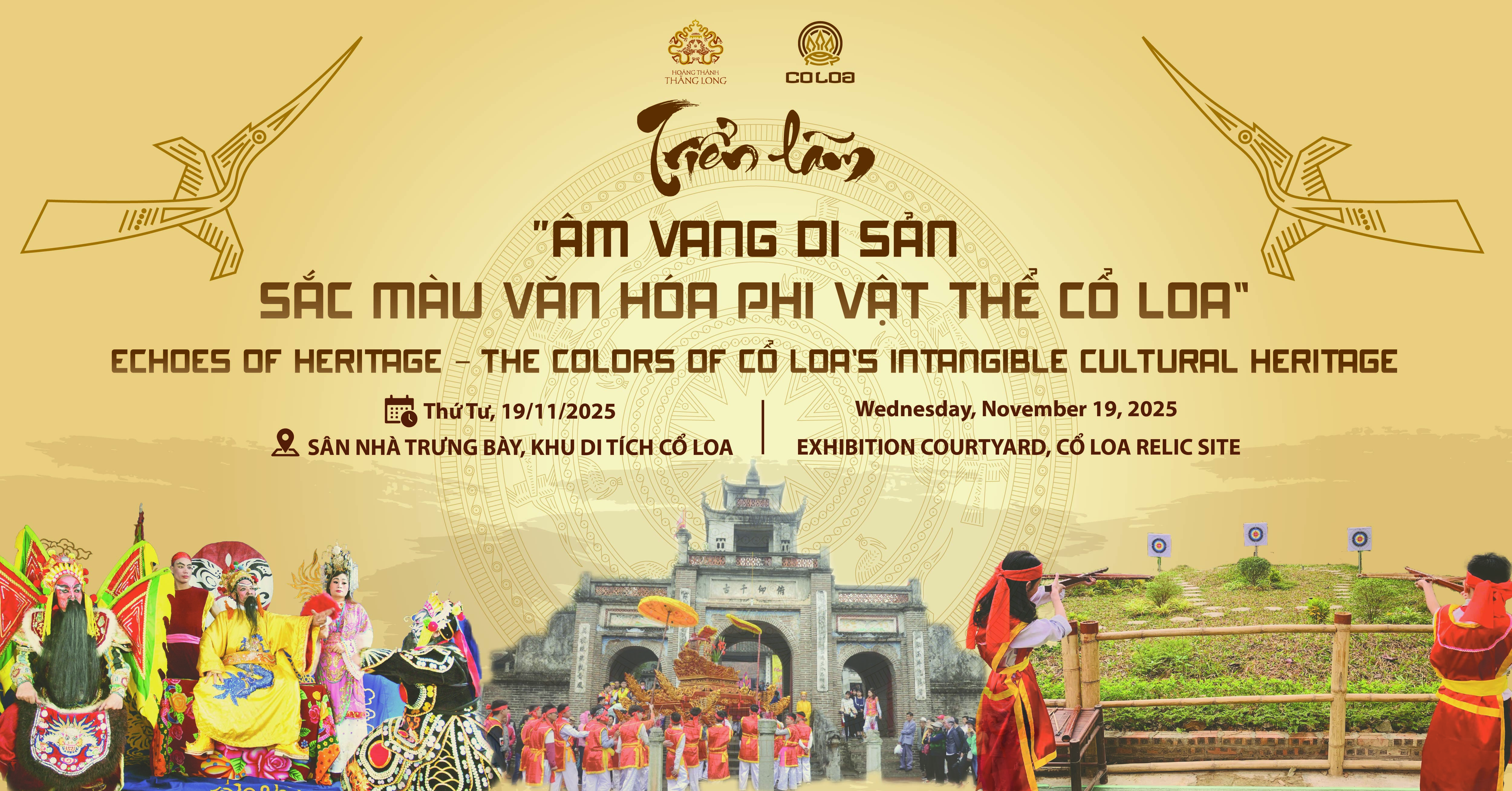
The Cổ Loa Festival, recognized as a National Intangible Cultural Heritage, is one of the largest festivals in the Red River Delta. It reflects profoundly the national origins and the heroic tradition of defending and developing the country over thousands of years. Its rituals-offering, ceremony, procession-and folk games are preserved and promoted as part of the cultural heritage of Cổ Loa, contributing to building an advanced culture rich in national identity.