According to the traditional divine genealogy preserved in Cổ Loa, the 11th day of the eighth lunar month is the annual celebration of the birth of King An Dương Vương. This occasion is closely associated with the worship of the king, who has become a central figure in the historical and cultural memory of Cổ Loa.
Over generations, stories about His origins, life and achievements have been preserved in traditional genealogical records, folk legends and the religious practices of the local community. The King's Birthday therefore serves as an occasion for remembrance, expressing reverence and gratitude towards the monarch associated with the ancient capital of Cổ Loa and the Âu Lạc State.
The Traditional Account of King An Dương Vương's Birth
According to Thục An Dương Vương Tiên Đế Triều Ngọc Phả Cổ Lục Thượng Đẳng (the 19th volume, section “Emperors and Kings”), the mother of An Dương Vương was Trần Trấn Nương, the second consort of Công Bích, ruler of the Ai Lao region. One day, while resting, she dreamed of a golden dragon descending from heaven and entering her womb. After 100 days of pregnancy, she gave birth to a handsome and dignified son, whom she named Thạc Công.
Upon reaching adulthood, Thạc Công succeeded to the throne and proclaimed himself king, maintaining peace throughout the country and ensuring that people across the realm could live in prosperity and contentment. According to the traditional account, the 11th day of the eighth lunar month is the birthday of King An Dương Vương.
The story of His birth forms part of the body of traditional genealogical accounts preserved in Cổ Loa. It reflects how the community, through successive generations, has honoured the worshipped figure and associated him with beliefs about the origins, talents and status of the king connected with this land.
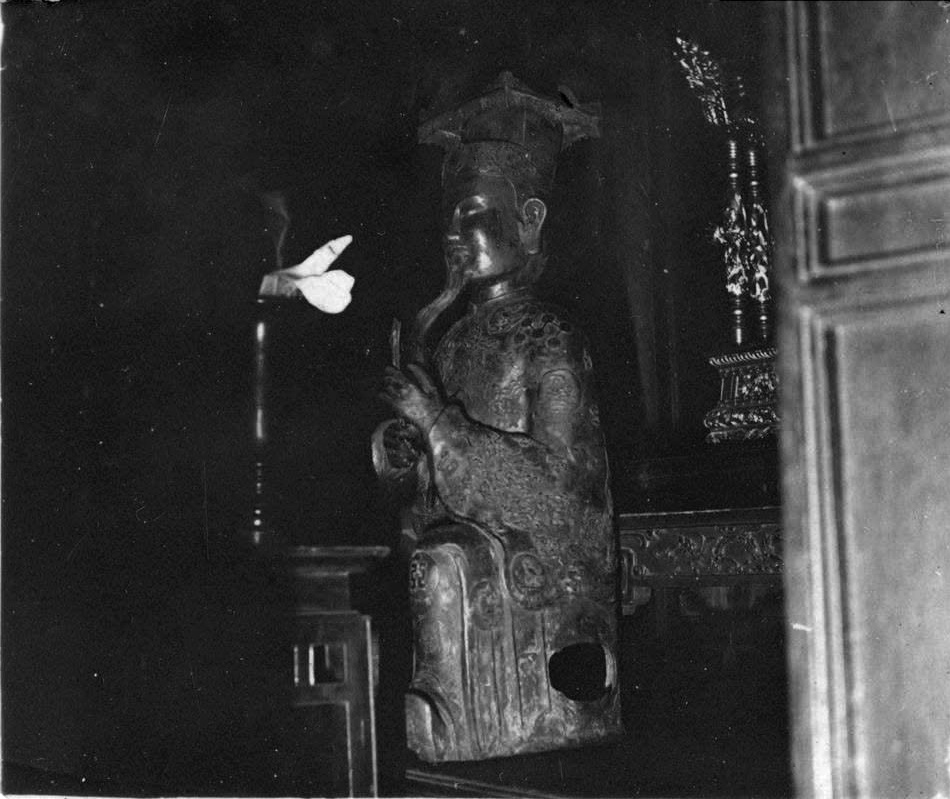
Statue of King An Dương Vương worshipped in the Rear Sanctuary of the Upper Temple (Đền Thượng), Cổ Loa
King An Dương Vương and the Ancient Capital of Cổ Loa
In addition to traditional genealogical accounts, the figure of Thục Phán – An Dương Vương also appears in various historical sources, legends and folk memories associated with the formation of the Âu Lạc State.
According to various studies, Thục Phán was a leader of the Tây Âu community, with connections to the Cao Bằng region. The legend of “Cẩu chủa cheng vùa” (Nine Lords Competing for the Throne), preserved among the Tày ethnic community, recounts stories about Thục Phán and his efforts to establish his position in the cultural landscape of the northern mountainous region. Place names, historical sites and legends in Cao Bằng have contributed to the layers of folk memory surrounding Thục Phán before he became King An Dương Vương.
In the late 3rd century BC, as the Qin dynasty launched its southward expansion, the Tây Âu and Lạc Việt communities joined forces in resistance. Thục Phán is recorded as an important leader in this struggle. Subsequently, he ascended the throne, adopted the title An Dương Vương and established the Âu Lạc State.
 The Citadel of Cổ Loa and the Metallurgical Achievements of the Âu Lạc State
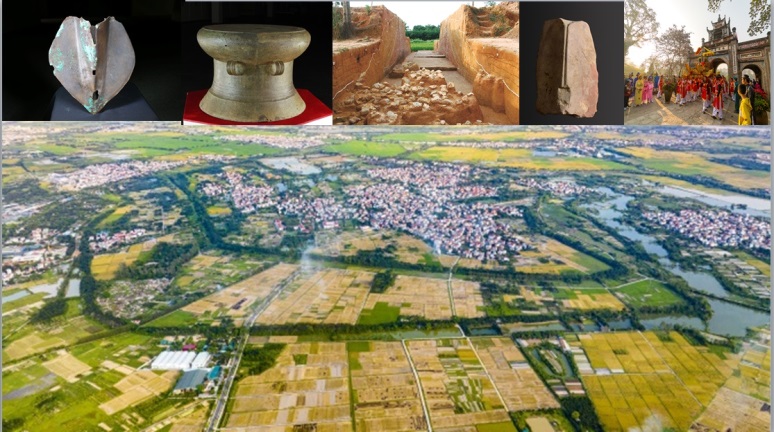
The decision to establish Cổ Loa as the centre of the Âu Lạc State marked an important stage in the history of the Red River Delta. A large-scale earthen citadel system was constructed here, comprising three concentric ramparts integrated with moats, rivers and natural lakes. The total circumference of the three ramparts was approximately 16 kilometres, forming an extensive space for settlement, defence and both inland and waterway transportation.
Cổ Loa also preserves numerous important remains from the Đông Sơn cultural period. Archaeological discoveries, including bronze arrowheads, casting furnaces, weapon moulds, bronze drums and bronze production tools, demonstrate the advanced metallurgical and handicraft skills of the local inhabitants. In particular, the bronze arrowhead cache at Cầu Vực and traces of arrowhead casting discovered in Cổ Loa are significant archaeological evidence that helps shed light on the material foundations underlying the legend.
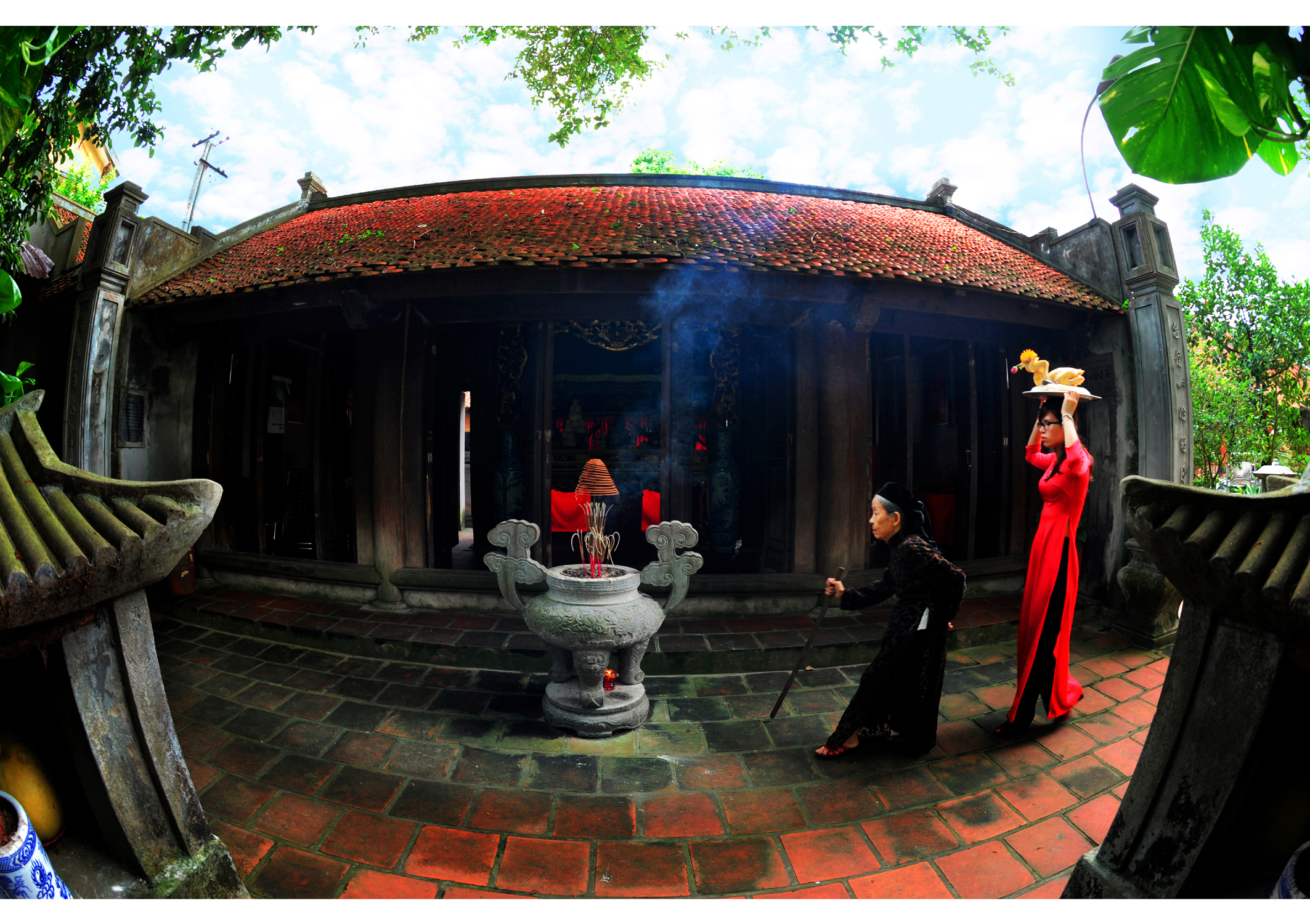
Over time, the memory of An Dương Vương has continued to be preserved in the cultural life of the community. Feudal dynasties bestowed royal decrees and honorary titles and carried out various forms of tribute and worship in His honour. Alongside these practices, a system of rituals, customs and festivals has been passed down through generations among the communities living in the ancient citadel of Cổ Loa, most notably the Cổ Loa Festival, held annually on the sixth day of the first lunar month.
The King's Birthday – Continuing the Legacy of Remembrance of King An Dương Vương
The celebration of the King's Birthday on the 11th day of the eighth lunar month provides an occasion for the community to commemorate the birth of King An Dương Vương, thereby continuing its reverence for the monarch associated with the Âu Lạc State and the ancient capital of Cổ Loa.
From traditional genealogical accounts, legends and historical records to archaeological remains and cultural practices preserved within the community, the image of An Dương Vương has become an important part of the historical and cultural memory of Cổ Loa.
The King's Birthday therefore not only recalls a historical figure revered by the community but also provides an opportunity to reflect on the historical and cultural values that have been passed down through generations in Cổ Loa. This contributes to raising awareness of the importance of preserving and promoting the heritage values of Cổ Loa Historic Site.
CO LOA HISTORIC SITE MANAGEMENT BOARD