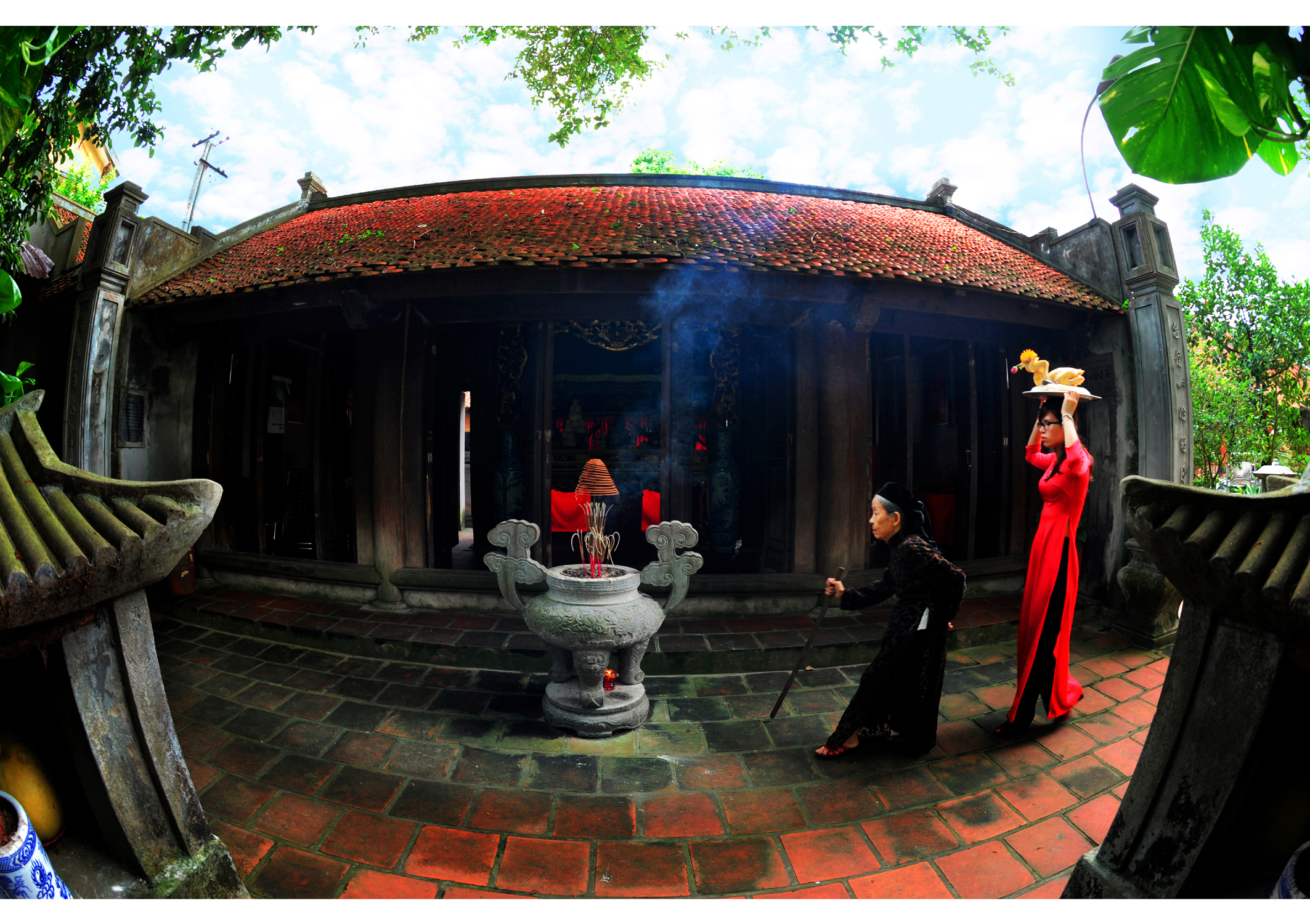
Every year, on the 13th day of the eighth lunar month, the people of Cổ Loa turn their attention to the Shrine of Princess Mỵ Châu, where they observe the “ăn sêu Bà Chúa Mỵ Châu” custom – a traditional practice associated with the worship of Mỵ Châu and the cultural life of the local community.
Beyond its spiritual significance, this custom preserves traditional practices, offerings and dishes that have been passed down through generations. Among them, Mạch Tràng vermicelli is a distinctive culinary feature closely associated with this occasion.
The “Ăn Sêu” Custom and the Story of Princess Mỵ Châu
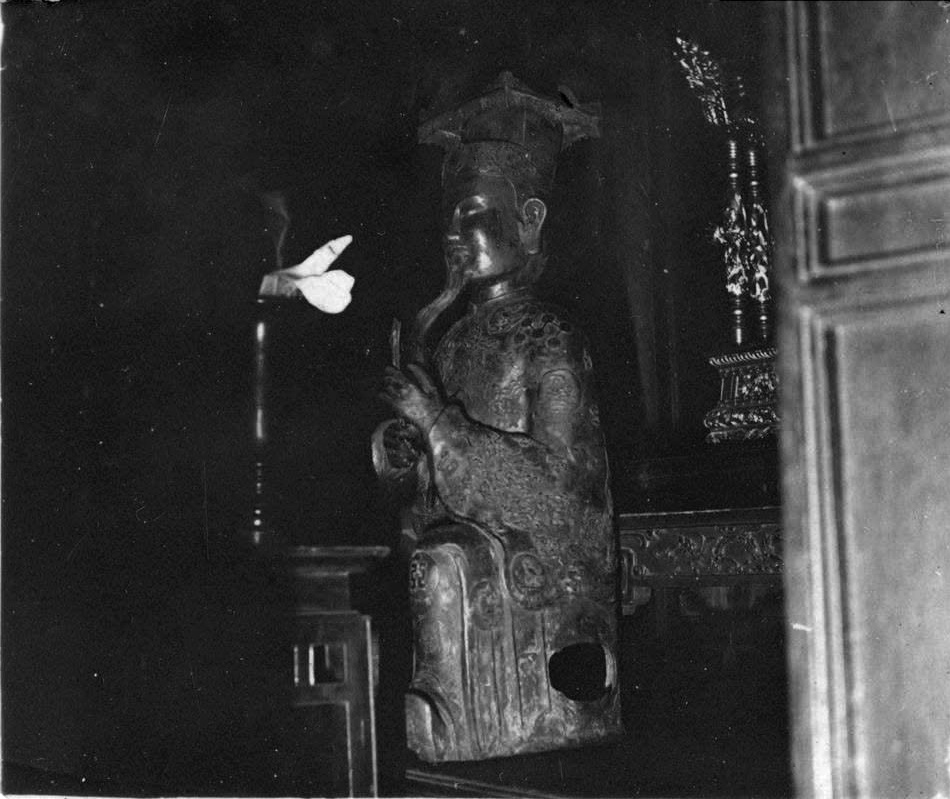
According to the Ngọc phả Cổ Lục (Ancient Genealogical Records of Cổ Loa), the 13th day of the eighth lunar month marks the occasion of the “ăn sêu” ceremony for Princess Mỵ Châu, daughter of King An Dương Vương.
In traditional Vietnamese customs, “sêu” refers to the practice of the groom's family bringing gifts to the bride's family before or after the wedding, as a gesture of respect towards the bride's family. According to the story passed down in Cổ Loa, the “ăn sêu Mỵ Châu” day has become an annual custom and a distinctive expression of the community's spiritual and cultural heritage.
For the people of Cổ Loa, this occasion is also an opportunity to commemorate Mỵ Châu and recall the historical stories and legends associated with the reign of King An Dương Vương. It also reflects the close connection between religious beliefs, traditional customs and community life.
Mạch Tràng Vermicelli – A Distinctive Feature of the Ăn Sêu Celebration
On the 13th day of the eighth lunar month, at the Shrine of Princess Mỵ Châu, the Management Board and local community prepare the worship space, clean the altar and present offerings in remembrance of the Princess. These offerings include sticky rice, chicken, stir-fried vermicelli with water dropwort, rice cakes, fruits, phoenix-shaped betel leaves, various traditional cakes and soft drinks. They reflect both the community's reverence and the traditional culinary practices of Cổ Loa.
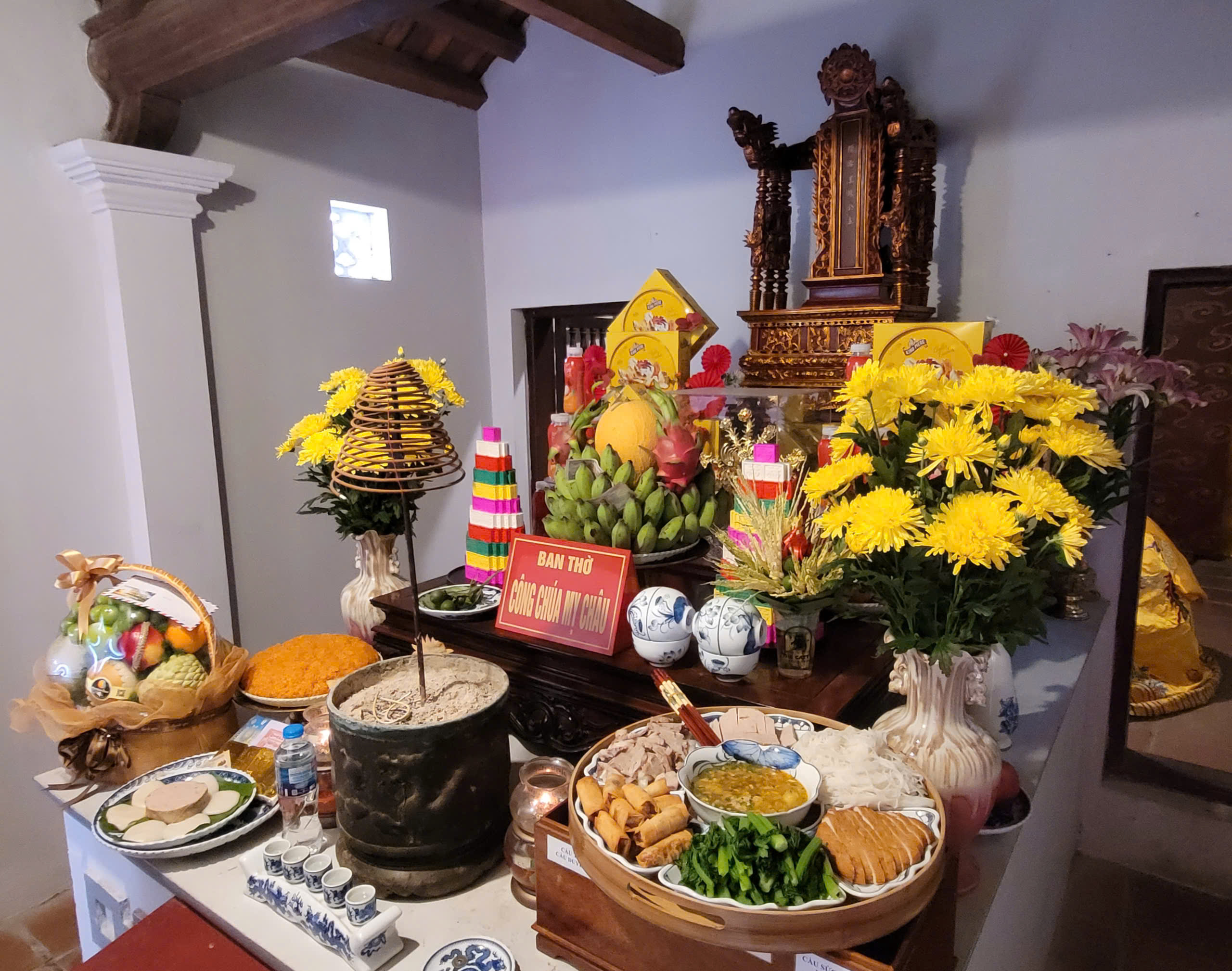 The altar of Princess Mỵ Châu during the ăn sêu celebration
In family life, the ăn sêu day is also an occasion for family members to gather, pay tribute to their ancestors and enjoy dishes associated with their hometown traditions. In particular, Mạch Tràng vermicelli is an indispensable dish on this occasion.
As a traditional culinary product of Mạch Tràng Village, vermicelli is prepared by many families for ancestral offerings and for cooking during the celebration. It is commonly served with water dropwort or combined with other traditional dishes, creating the distinctive flavours of the ăn sêu occasion. The close association between Mạch Tràng vermicelli and water dropwort is also reflected in a folk verse passed down through generations:
“May we be as inseparable as vermicelli and water dropwort
A dish cherished through the ages, lovingly saved for Mother
On the 13th day of the eighth lunar month, in mid-autumn
Wherever you may go, remember it, however far away”
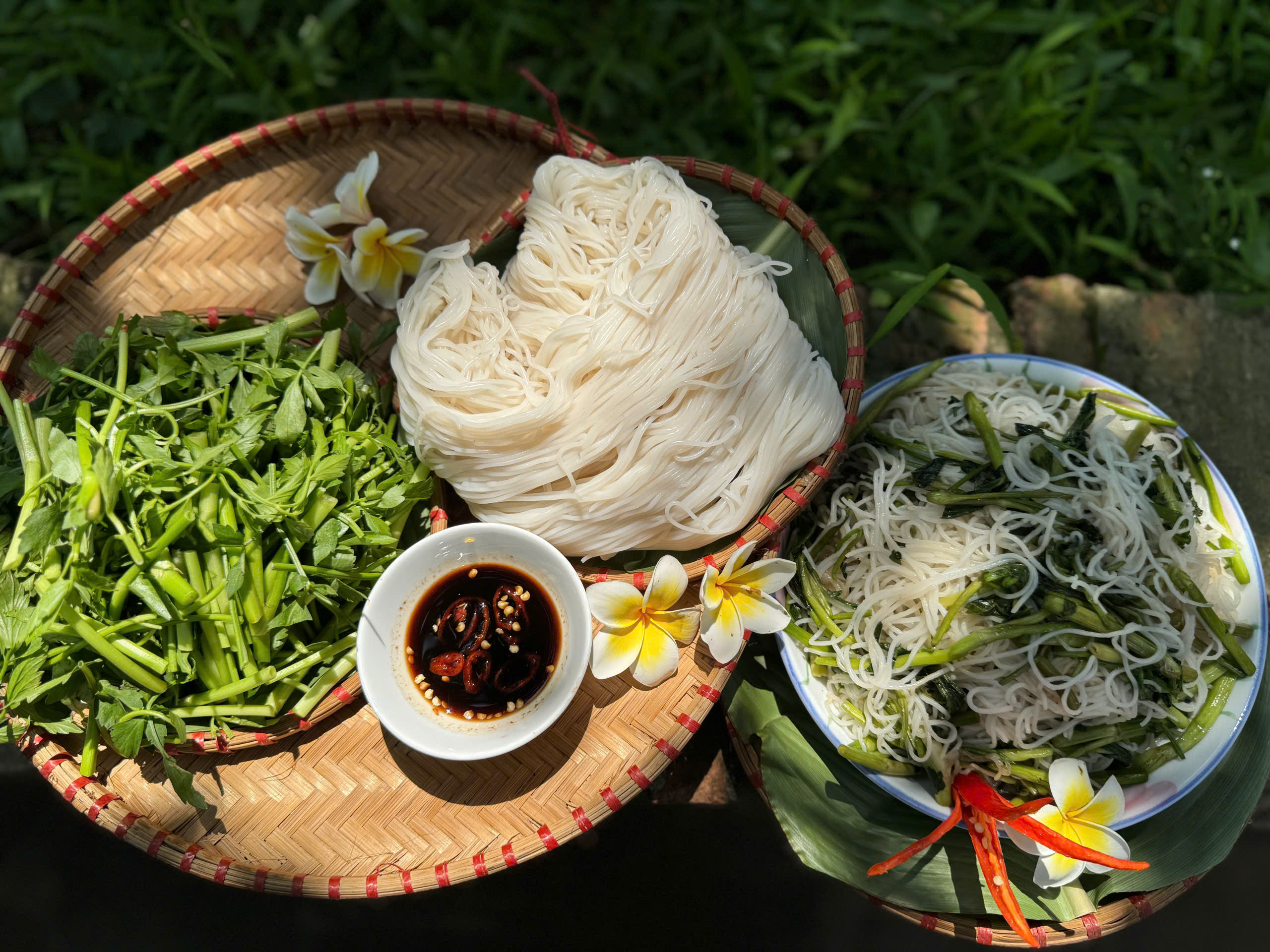 Stir-fried Mạch Tràng vermicelli with water dropwort
The ăn sêu custom is also observed differently among various hamlets and villages. According to traditional practices passed down through generations, in Chợ and Dõng hamlets, the celebration lasts for three days, from the 13th to the 15th day of the eighth lunar month: vermicelli is eaten on the 13th, roast beef on the 14th, and sticky rice with sweet soup on the 15th. In Cầu Cả Village, residents make their own vermicelli, serve it with pig's head and invite family members and relatives to gather together.
From an everyday food, Mạch Tràng vermicelli has become part of the memories and cultural life of the people of Cổ Loa, contributing to the distinctive character of the ăn sêu Bà Chúa Mỵ Châu celebration.
Preserving a Traditional Custom in Community Life
The ăn sêu Bà Chúa Mỵ Châu custom is closely associated with the cultural heritage of Cổ Loa, where historical stories, legends, religious beliefs and community life intertwine and have been passed down through generations.
From the rituals at the Shrine of Princess Mỵ Châu to family meals, from ceremonial offerings to bowls of Mạch Tràng vermicelli, each element contributes to the distinctive character of this occasion. Preserving this custom not only expresses remembrance of the figures associated with the history and legends of Cổ Loa but also helps safeguard the traditional practices and cultural values of the local community.
In the process of preserving and promoting the heritage values of Cổ Loa Historic Site, customs such as the ăn sêu Bà Chúa Mỵ Châu celebration constitute an important part of the site's cultural life, where traditional values continue to be practised and passed on by the community today.
CO LOA HISTORIC SITE MANAGEMENT BOARD