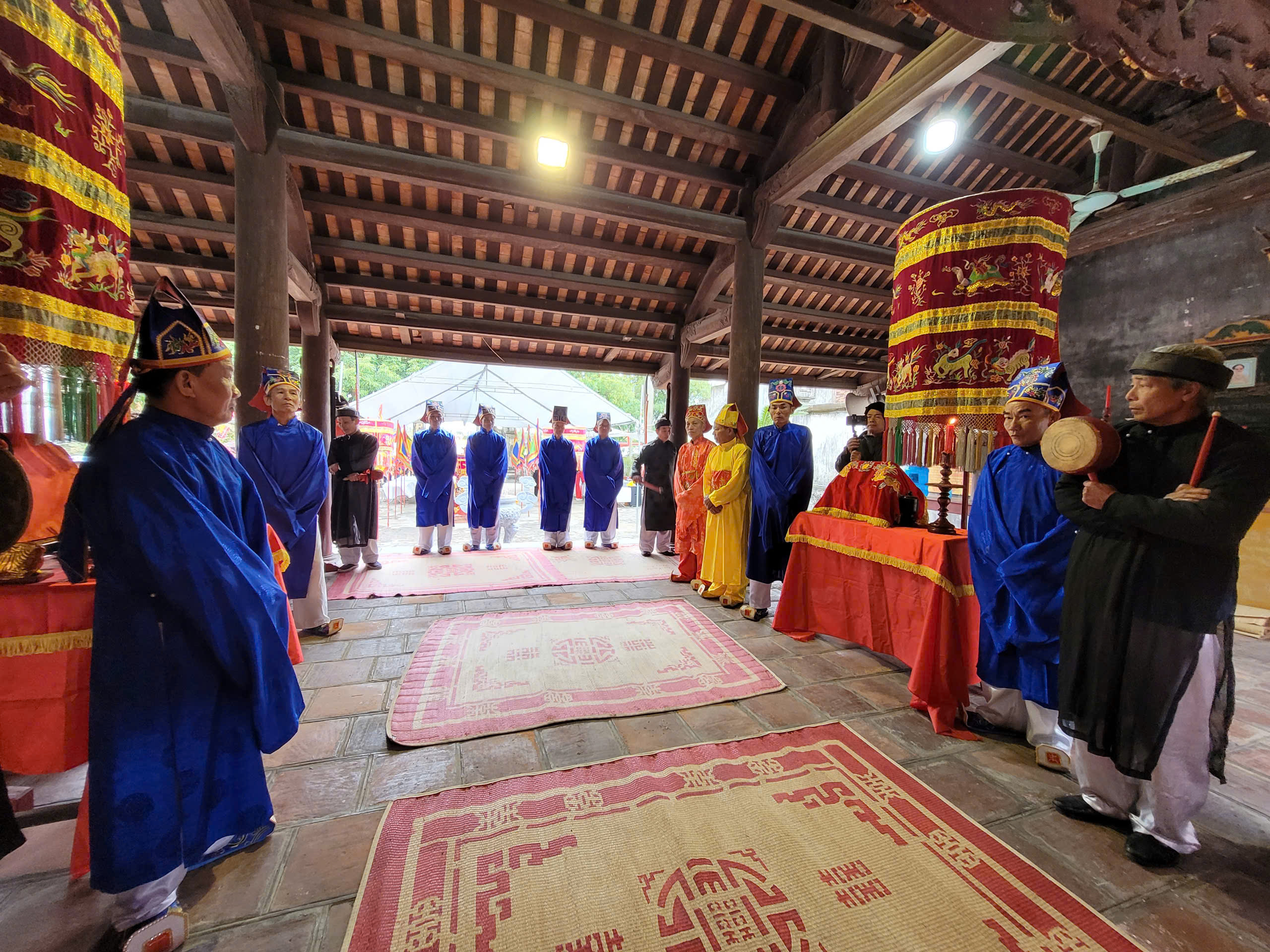
On the morning of February 7, 2024 (the 10th day of the First Lunar Month, Year Ất Tỵ), the Festival Organizing Committee inaugurated the 2025 Mạch Tràng Village Festival.
Mạch Tràng was formerly known as Mạch Trường, located beside the Cổ Loa Citadel (the Outer Rampart). According to legend, when King An Dương Vương moved the capital from the northern mountains to the lowlands and established the capital at Cổ Loa, he took advantage of the terrain to build the citadel and train soldiers to resist the invasion of Triệu Đà. He brought the mạch barley strain here, taught the people cultivation techniques, and established Âu Lạc’s granary in the village. Later, King Ngô Quyền established a national school at this site, from which the name Mạch Trường originated; over time, it evolved through colloquial speech into Mạch Tràng, the name used today.
The Mạch Tràng Village Festival forms part of the larger Cổ Loa Festival. Mạch Tràng is one of the eight ancient villages that worship King An Dương Vương and participate in organizing the Cổ Loa Festival—also known as the Bát xã Loa Thành Festival. The main festival day is held annually on the 6th day of the First Lunar Month at the Upper Temple, the principal shrine to King An Dương Vương, with the participation of the villages: Cổ Loa, Văn Thượng, Mạch Tràng, Sằn Giã, Ngoại Sát, Đài Bi, Cầu Cả, and Thư Cưu. After the shared rituals, ceremonies, and folk games of the Bát xã hộ nhi on the main festival day, each village returns home to continue its own festivities (known as giã đám).
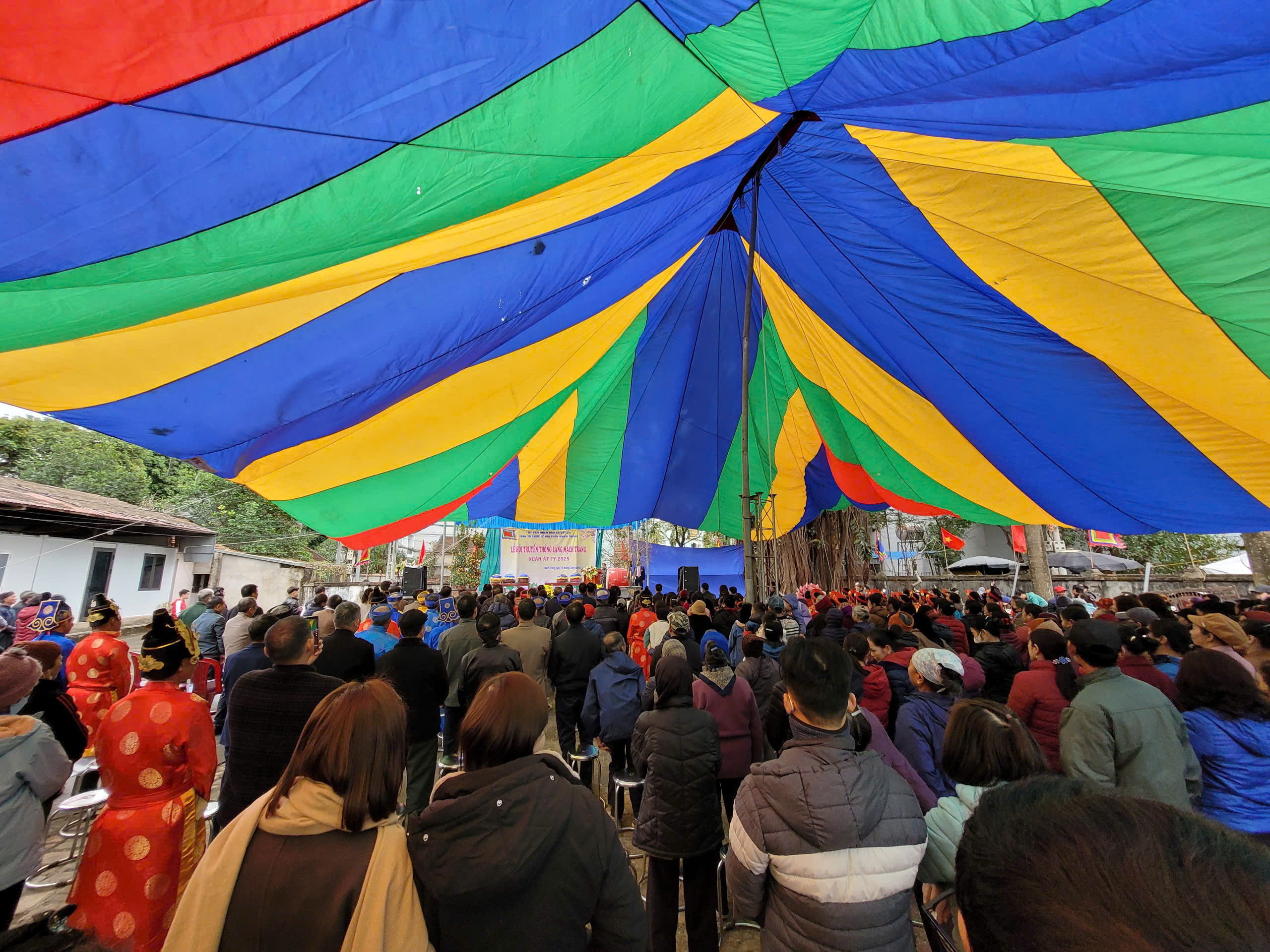 Festival Opening Space of Mạch Tràng Village
Ceremonial Officials
 Officials Performing Ritual Offerings
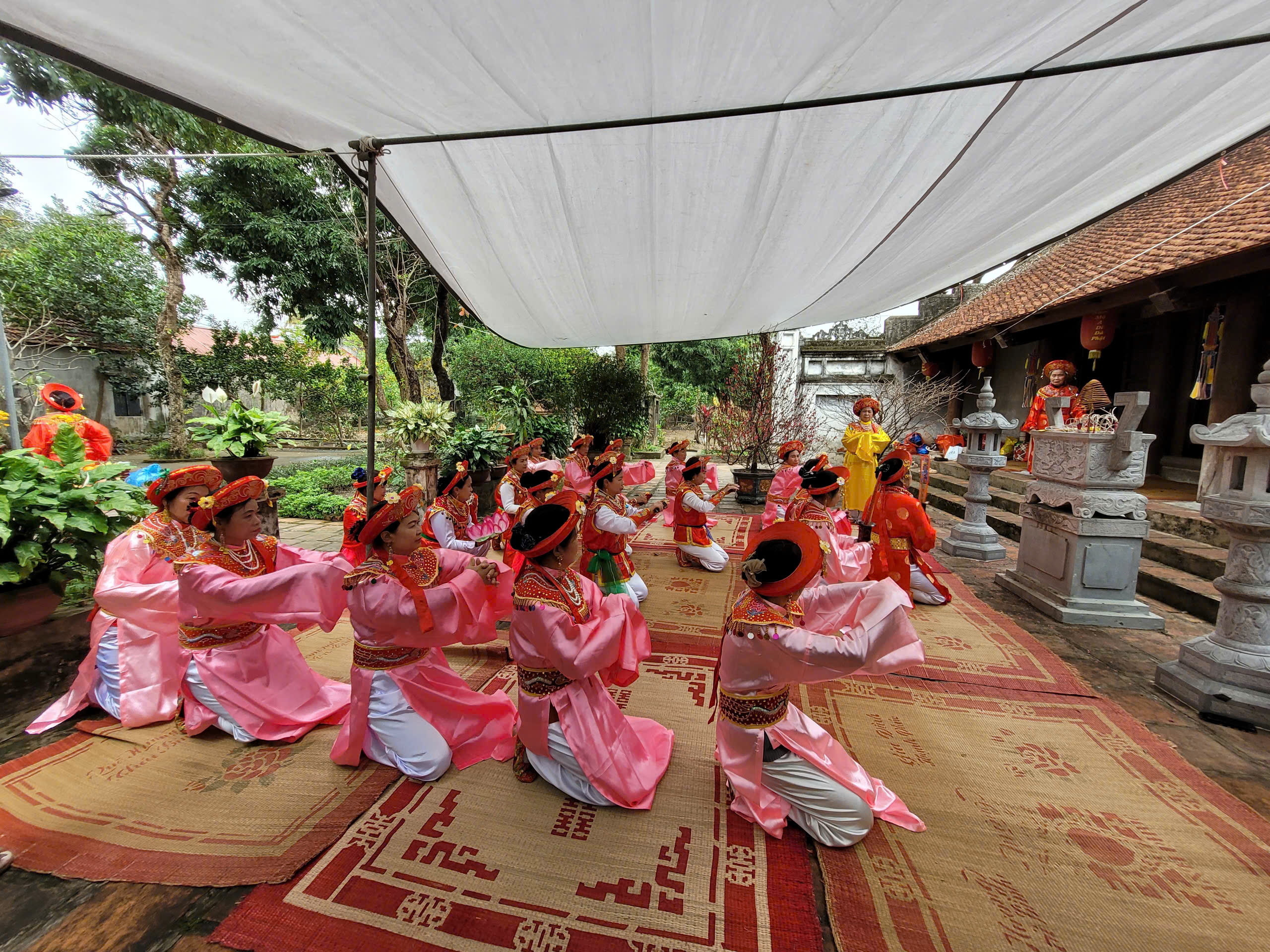 Female Offering Team at Mạch Tràng Pagoda
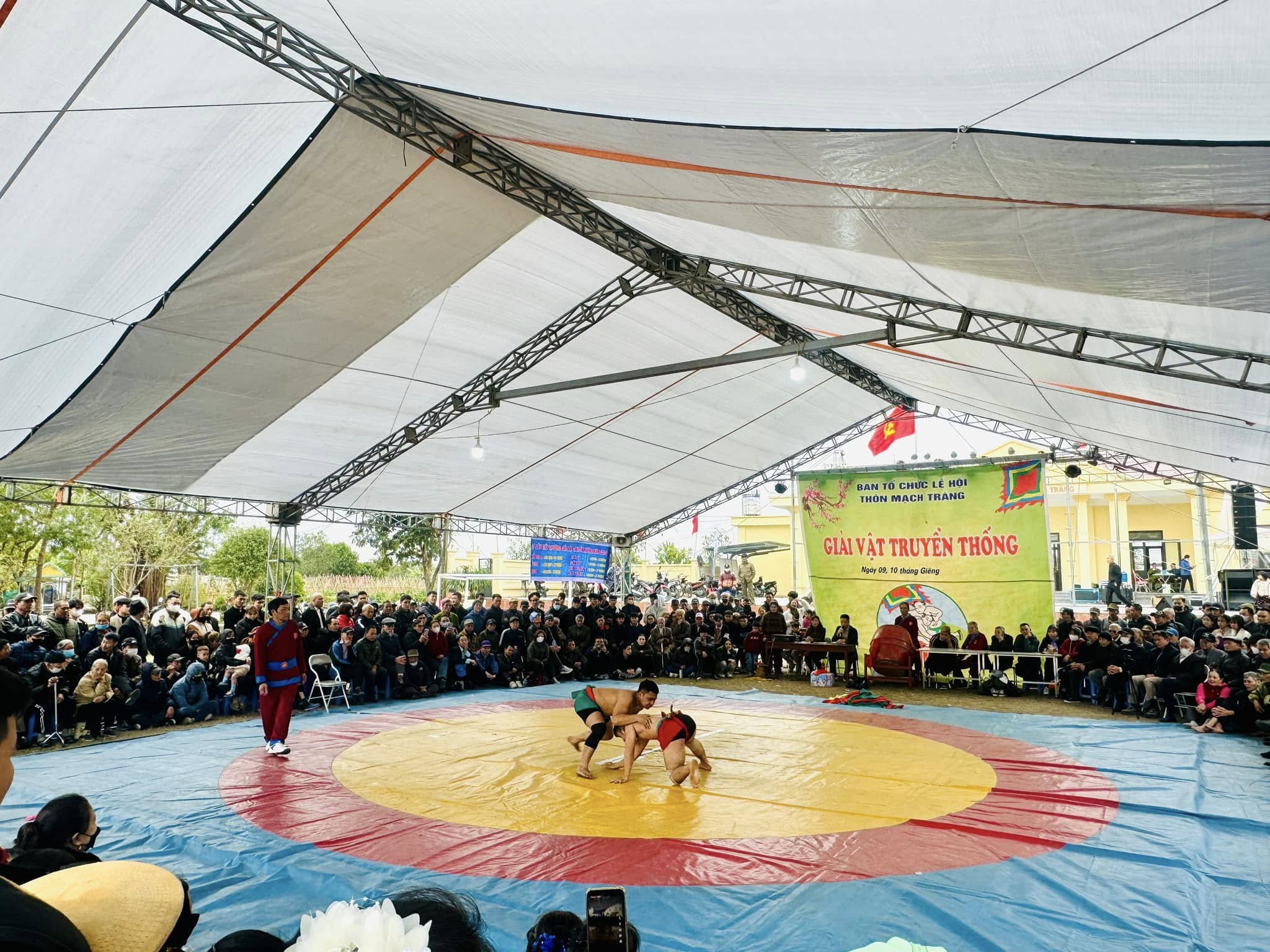 Wrestling Game at Mạch Tràng Village Festival
Given its profound historical and cultural significance, the preservation, safeguarding, and promotion of the Bát xã Loa Thành festivals—including the Mạch Tràng Village Festival—must continue to be expanded and strengthened. This is an essential task to ensure that not only the people of Đông Anh District but also the broader public of the capital city fully recognize and appreciate this cultural heritage.